
Best paint for brick exterior: what actually lasts in the Australian climate
In Australia's varied climate, choosing the right paint for exterior brick is the key to durability. Acrylic masonry paint, which is famous for its breathable qualities, stands out as the best choice. This type of paint allows moisture to escape from the brick, and since bricks are naturally porous, that’s pretty important.
This also means it can effectively seal against heavy rain, yet permits the wall to breathe. If you were to choose a paint that doesn’t provide this balance, you risk seeing peeling and bubbling on your walls within a year or two, regardless of how the colour looked initially.
If you'd rather skip the research and get a straight answer for your home, DC Decorators can assess the brickwork and recommend the right system when we quote.
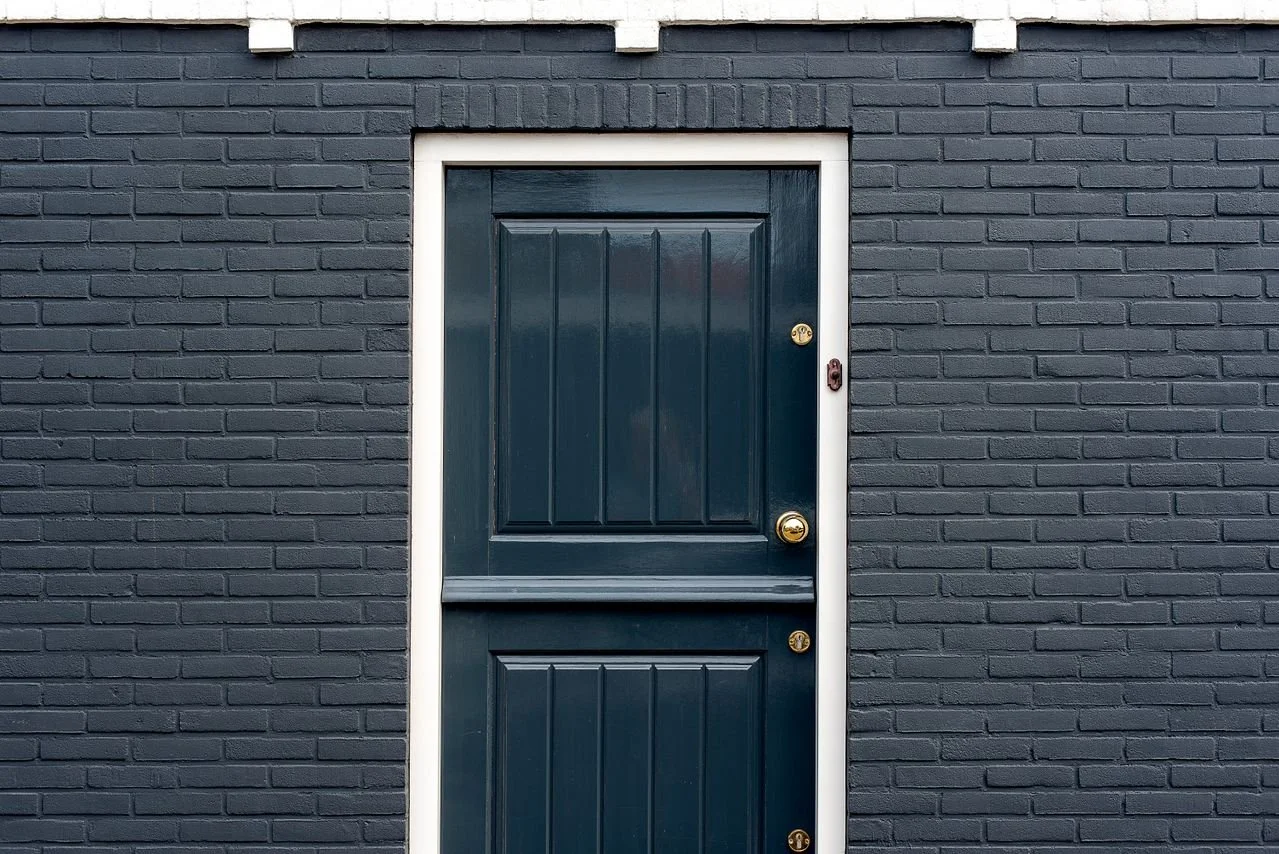
What makes a paint suitable for exterior brick?
The lifespan of paint on a brick surface largely depends on the brick’s ability to breathe. Brick and mortar naturally absorb moisture, and during Brisbane's humid summers, walls take in both the humidity and rainwater. As they dry, they need to be able to release this moisture as vapour. But if the paint traps this moisture in, it creates pressure that eventually causes the paint to peel away, which is why many brick walls begin to show signs of peeling after about two years.
The next factor is choosing a paint that withstands our unique weather conditions. The intense Australian sun can be harsh on exterior coatings, and ultraviolet rays quickly degrade low-quality paint, causing colours to fade and surfaces to chalk. When you factor in the high humidity and salty air typical of bayside suburbs, a coating designed for a mild European winter just won't cut it. You need a paint that can endure the heat and resist moisture without becoming brittle.
The final step is ensuring the paint sticks well. Since brick has a porous and slightly uneven texture, the paint needs to penetrate and chemically bond with it instead of simply resting on the surface. That’s why prepping the surface properly and using the right primer is so important, and we'll discuss how to do that in just a bit.
The best paint for exterior brick: acrylic masonry paint
Acrylic masonry paint offers excellent durability and breathability, making it suitable for a variety of wall types. This paint features an acrylic binder that remains flexible through temperature changes, so it can move with the wall and prevent cracking as bricks expand in the heat. As it is water or latex based, it can form a protective film that stops liquid water from getting in while still allowing moisture to escape.
For a lot of Brisbane homes, a quality acrylic latex paint used over a masonry primer gives you a long lasting finish that still holds the colour you want while resisting mildew growth. You'll usually apply two coats over a properly prepared surface, and a good system like this can hold up for years before it needs any attention. It also comes in a wide range of colour options, from heritage tones for a Queenslander to crisp modern neutrals for a rendered facade.
But acrylic isn't the only choice. There are cases where something else might suit the wall better.
Acrylic masonry paint vs other options for brick
Elastomeric paint for exterior brick
Elastomeric coatings give you an advantage by applying much thicker than typical acrylic paints and possessing a rubber-like elasticity. This flexibility is particularly beneficial if you are covering small cracks in brick and render, making them ideal for older walls that may have shifted a bit or developed minor fractures over time.
But there's a downside to consider. These coatings are less breathable, and their dense and heavy nature can trap moisture against the wall if the brick isn't thoroughly dry at the start. As such, elastomeric coatings are best suited for solid, well-drained walls rather than those prone to dampness. When applied to the right surface, they excel at preventing water from seeping in.
Mineral (silicate) paint for exterior brick
Mineral (or “silicate”) paint provides you with benefits that traditional paints can’t. The paint does not form a film on top of the surface. Instead, it chemically bonds with the minerals that make up the brick and mortar. This allows it to actually become a part of the surface itself, rather than just covering it up.
This type of bond will guarantee breathability and high durability and is the best choice for restoration work on historical buildings and masonry. It does, however, come at a slightly higher cost and needs to be applied on the mineral substrate, making it unsuitable for painted bricks.
Brick stain vs paint
Brick stain does not form a coat on the surface but penetrates into the brick like a dye, preserving its texture and allowing for breathability as if nothing was on the brick at all. Stain can’t peel the way paint can because there's no film to lift.
The catch is coverage. Staining can subtly alter the colour of your brick, enhancing its natural character while evening out or deepening the existing tone. However, it won't provide the solid, consistent finish that paint does. If you like the features of your brick and are just looking to refresh those, staining is the best option. But if you're aiming for a striking new colour, painting is the better choice.
How to prepare and paint exterior brick properly
The first step is cleaning the wall back to a sound surface. Brick collects dirt, dust, chalky residue and mildew, and all of it needs to be removed in order for the paint to grip. A pressure wash or a scrub with a stiff brush and a suitable cleaner will do the job, but any old paint that is flaking away will need scraping back to a firm edge.
Now you need to take care of any repairs. Rake out and repoint crumbling mortar and fill in the small cracks, before letting everything fully cure. This is also the stage where you can fix any moisture issues, because painting over a damp wall will just seal the problem in.
Then apply a primer. A masonry primer will seal the porous surface and even out how much the brick absorbs, so the topcoat has something solid to bond to. Once the primer is dry, cut in around the edges and detail, then roll and brush on your first coat.
Once the first coat has dried, follow it with a second. Two coats over primer is what gives you an even colour and the durability to withstand years of sun and weather.
Should you paint your exterior brick at all?
When paint settles into a porous surface, it clings tightly, making removal a slow and costly affair. Even with careful effort, removing it can get messy and often risks harming the brick's appearance. Both sandblasting and chemical strippers may leave scars, and even the most meticulous work seldom restores the brick to its original, pristine condition.
There's also the ongoing upkeep. Bare brick needs almost nothing doing to it. Painted brick needs recoating every so often as the film ages, so you're signing up for maintenance you didn't have to worry about before.
None of the above should deter you from painting at all, though, and there are walls that could do with some paint, whether it is old orange-brown brick from the seventies era or painted masonry that cannot be reversed.
Painted brick can look sharp and lift a whole street frontage. The point is to go in with eyes open. If the bricks are in decent condition and you're happy with their appearance, then cleaning or sealing will be more effective than having them painted. But if you want to change colours or the bricks were never aesthetically pleasing, then painting them is your best bet.
Ready to paint your exterior brick?
If you've chosen a colour or you are still considering a few options, we can help make sure your choice complements your existing brick tone, the mortar, your surroundings, and how light interacts with the wall, all before you apply any paint.
At DC Decorators, we are a licensed painting and decorating company (QBCC License 15331027) serving Brisbane, as well as the Gold Coast and Sunshine Coast. We stand behind our exterior work with a five-year warranty and a satisfaction promise. Just send us a photo of your brickwork, and we'll provide you with a personalised quote within 24 hours.
FAQs
-
It’s usually because of trapped moisture. If the brick can’t dry out, or the wall wasn't clean and dry when it was painted, water builds up behind the film and pushes it off. Poor preparation and a non-breathable paint are the usual culprits. Fixing it involves finding the moisture source and recoating with a breathable system once the failed paint has been stripped away
-
No, not yet. Fresh brickwork and mortar need to cure and dry out fully before any paint goes on, and that can take a month or more depending on the weather. Painting damp brick traps that moisture in and leads straight to peeling. The same goes for any wall that's wet from rain or rising damp: it has to be dry first.
-
A low-sheen or matt finish usually suits brick best. This is because the matt finish hides imperfections and the rough texture much better than gloss paint, which reflects light on all blemishes. Matt is also more durable and easy to maintain outside. Semi-gloss is not the best choice for brick because it looks out of place on a large brick facade, but it can work on trim.
-
With quality paint and appropriate preparation, an acrylic paint system for bricks may last up to ten to fifteen years, but that does depend on the amount of sun exposure and wall coverage. Walls facing westward that receive the hot sun during the afternoon and coastal walls subjected to salty air will fade quickly. Poor quality paints will not last more than two to three years.
-
Yes, and it's often more straightforward than raw brick because the surface is already sealed. Clean the walls, remove all flaking material, prime bare spots, and then paint. The most important issue is examining what's already there. If the paint that's there is non-breathable and has caused moisture entrapment, then this must be remedied prior to applying additional paint.
-
You can, but it's difficult, and there's no guarantee of a clean result. Chemical stripping and carefully controlled pressure or media blasting are the best options, and both pose the danger of damaging the soft surface of the brick. It will be a labour-intensive and expensive process, and you’ll just have to accept that some of the paint will remain stuck inside the pores. This is exactly why it's worth thinking hard before painting brick in the first place.