
Can you use exterior paint for interior walls?
The notion of using exterior paint indoors often arises when there's a half-used can gathering dust in the shed. It seems practical to use it up rather than waste it. However, interior and exterior paints are formulated for very different conditions, and it's not about one being superior to the other.
If you're planning a repaint and want to ensure it's done correctly with the appropriate paint, DC Decorators offers quotes within 24 hours.
Why you shouldn't use exterior paint indoors
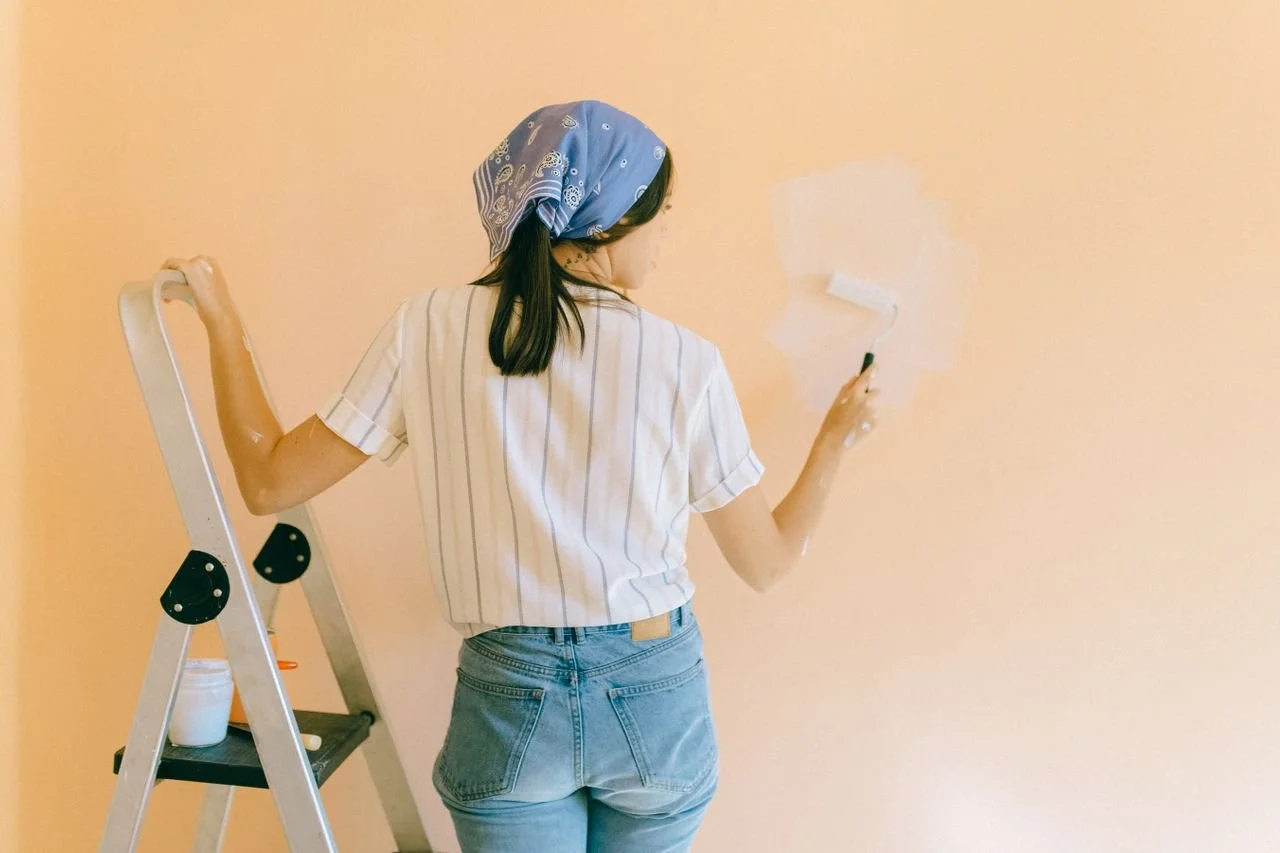
The main difference between exterior and interior paint is their ingredients. Exterior paint contains flexible binders and additional additives for dealing with big temperature changes and rough weather. Interior paint, on the other hand, focuses on making our homes easier to clean, with less smell and quicker touch-ups. Using outdoor paint inside can give you a finish that doesn't look great and may leave a strong odour in your home for longer than you'd like.
Health and indoor air quality risks of exterior paint
Most exterior paints contain more volatile organic compounds (VOCs) than indoor paints, since those compounds help exterior paint handle harsh weather and stop mildew growth. While outside, VOCs quickly spread into the open air. Used inside, especially in small, sealed rooms, these compounds stick around, affecting air quality. This buildup of VOCs in indoor spaces makes your paint dry, but also causes headaches, dizziness, eye irritation, and breathing troubles. On top of that, many exterior paints have mildewcides and other additives that are just plain unsafe for indoors, where people rest and breathe constantly.
In Brisbane, this issue gets worse. Many homeowners think that the harsh weather means exterior paint is fine inside. But actually, the outdoor performance of this paint makes indoor use risky. The heat and humidity speed up off-gassing, making the fumes much stronger and more harmful in a room like a bedroom. So, while exterior paint does great outside, it's really bad for you when used indoors.
Why exterior paint doesn't cure or last well indoors
Exterior paint needs sun, air, and changing temperatures to dry properly. These elements help the binders in the paint set and harden. Without them, the chemical process can't finish, so the paint stays wet.
Indoors, exterior paint takes forever to dry properly, staying soft or tacky for weeks. It picks up dust and marks super easily, too. In humid conditions, it gets sticky. Unlike interior paint, you can't clean exterior paint without damaging it, and wiping might make marks on the surface rise or shine fade.
People pick exterior paint for interior walls, thinking it’ll be more durable, but it doesn’t work out. The paint doesn’t actually cure correctly, making the whole surface a mess. Repainting becomes a nightmare since the base is still unstable, the opposite of what they intended.
Garages, laundries, and bathrooms
Consider a garage, which seems like a middle ground since it is partially outdoor and often not well-sealed. In a detached and well-ventilated garage that you rarely occupy, using exterior paint might not be as problematic. However, in an attached garage that shares air with the rest of the house, or in small, humid rooms like bathrooms and laundry areas, the situation changes. These environments can exacerbate the off-gassing of chemicals, affecting indoor air quality.
It's a mistake to focus solely on moisture resistance when selecting paint. While it's true that bathrooms and laundry rooms require paint that can withstand steam and condensation, the best choice is a high-quality interior paint designed for wet areas. Opt for a semi-gloss or low-sheen acrylic paint that not only handles moisture but also resists stains and mould, ensuring safe air quality. Choosing exterior paint to tackle dampness only replaces one issue with a bigger one. You risk compromising air quality in spaces that may not have adequate ventilation, such as a room with just a small window.
What to use instead of exterior paint indoors
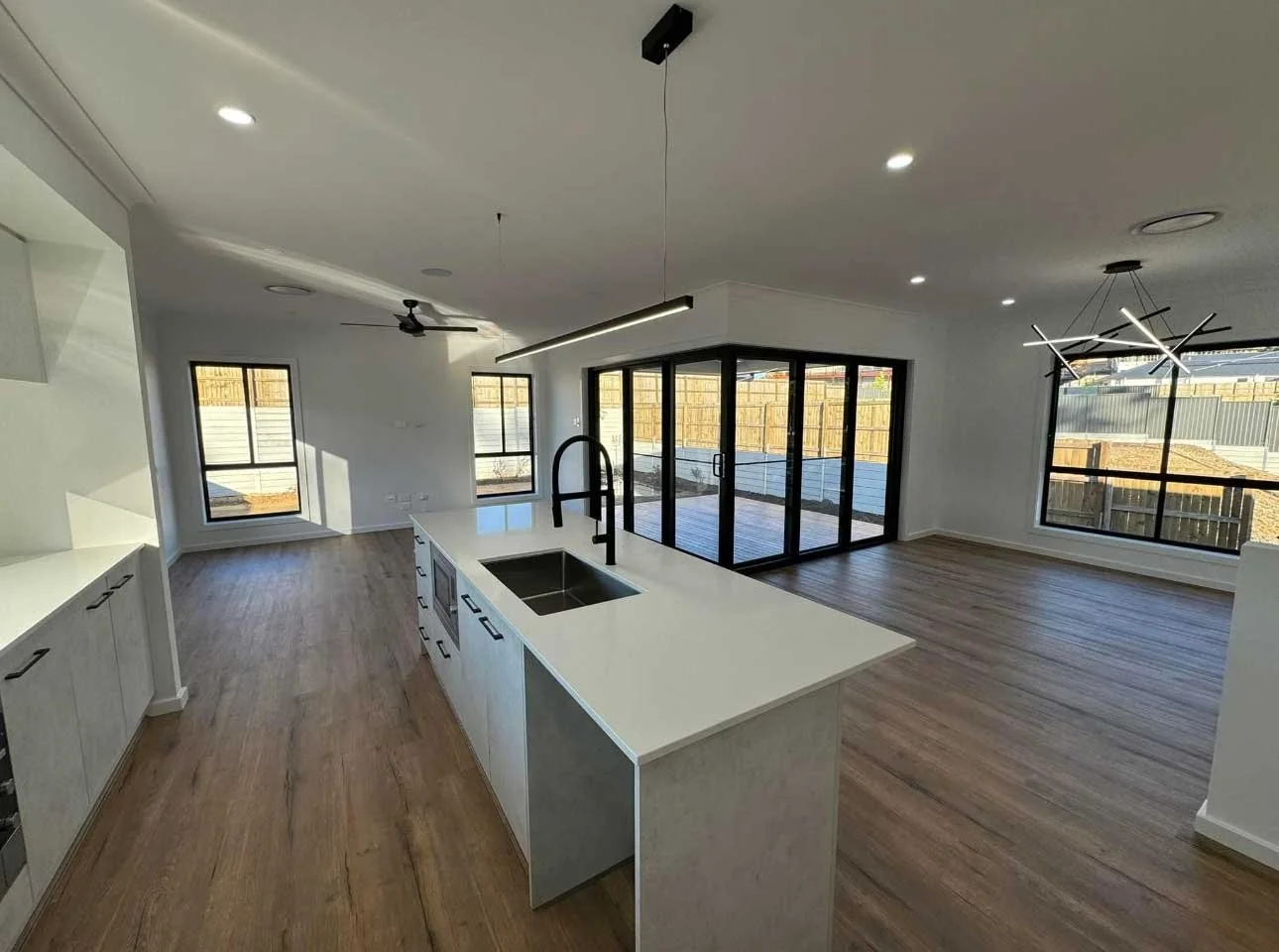
Choosing the right paint is super important. For most interior walls and ceilings, low sheen or matte acrylic works great. It hides imperfections nicely and keeps VOCs down, too. Plus, you can usually use the room right after painting.
If the area needs something durable, such as hallway or kids’ room walls, opt for washable paint with a semi-gloss or satin finish. This type lasts longer because it handles cleaning better.
In spaces like bathrooms, kitchens, and laundry rooms that get super wet, use special paint meant for damp areas. It helps resist both stains and humidity, which is key. For skirting boards and window frames, though, opt for enamel or acrylic trim paint. Pick semi-gloss or high gloss to make them tough and easy to clean.
When considering durability, remember that interior paint lasts longer on well-prepared surfaces than exterior paint does when applied carelessly. What matters most is proper surface prep, not using the wrong products. So, adequate preparation always trumps just slapping on any type of paint.
What to do if you've already used exterior paint inside
Start by opening the windows and using a fan to let the room air out, especially during the first couple of weeks when most of the fumes are released. Keep doors open to prevent air from getting trapped, and try to avoid sleeping in the newly painted room until the smell completely dissipates. Brisbane's warmer months naturally aid in airing out with great cross-ventilation.
If your paint stays sticky or the smell sticks around for weeks, it didn't cure properly. To fix this, you can apply a good primer and then use interior paint to recoat. Another option is to call in a pro.
Exterior paint is meant for outdoor projects like fences, weatherboards, and garden sheds. Don't use paint that's sat out for ages and turned lumpy on your walls inside the house. Most Brisbane councils have places where you can take old paint through Paintback for proper disposal. It's better to do this than send it to the landfill or use it outdoors after it's gone bad.
When to get a professional painter involved

DIY home projects can be fun, but messing up while painting an accent wall could be a fast way to realise your handy skills aren't exactly top-notch. Using exterior paint indoors or finding hidden moisture means it's best to let pros handle it. Hiring a licensed painter helps; they know when walls need just priming and repainting or a full redo. Pros keep you from wasting time and make sure the paint is suitable for the space. In the end, proper prep gives your walls a long-lasting finish.
At DC Decorators, our team holds a QBCC license (15331027), and we offer a five-year warranty on our interior projects, along with a satisfaction guarantee. If you prefer to have your painting done right the first time, we can provide you with a personalised quote within a day.
Frequently asked questions
-
The majority of the off-gassing takes place during the initial 48 to 72 hours; however, interior paint will continue to release fumes continuously for several weeks as it does not cure fully inside. The conditions in Brisbane will make this period even longer. Ventilation must be provided, and one should not sleep in the room until the odours disappear.
-
It's not recommended. Trimming and skirting take a lot of contact, so you'll need an enamel paint that dries hard enough to wipe down. Outdoor paint will remain softer inside and may smear or leave marks.
-
No. Paints for the interior and exterior of your house, even from the same brand, will be formulated with different binders and additives, and combining them will leave you with an obviously inconsistent finish.
-
This is the only place where this makes sense. If you own a detached and ventilated building that you do not actually live in, then it is a good place to use your leftover exterior paint. Its toughness is definitely an advantage on rough surfaces, but keep the doors open when you paint inside.
-
Not really. Low-VOC exterior paints are available and have improved from their previous formula, but they still include mildewcides and other ingredients formulated for use outdoors. Low-VOC interior paints are the best choice if you want to achieve good odour reduction and durability indoors.