
Do I need to move out while my house is being painted?
When it comes to interior painting, you usually don't have to leave your home. Skilled painters can manage the task efficiently by isolating certain areas and scheduling any disruptive work to minimise inconvenience. However, there are times when spending a night away might be advisable.
Knowing this in advance helps you plan better. Homeowners often wonder about this, and if you're seeking clarity, DC Decorators offers personalised quotes within a day and will guide you through the entire process to ensure everything runs smoothly.
What decides whether you need to move out during painting
Whether you're painting one room or the whole house
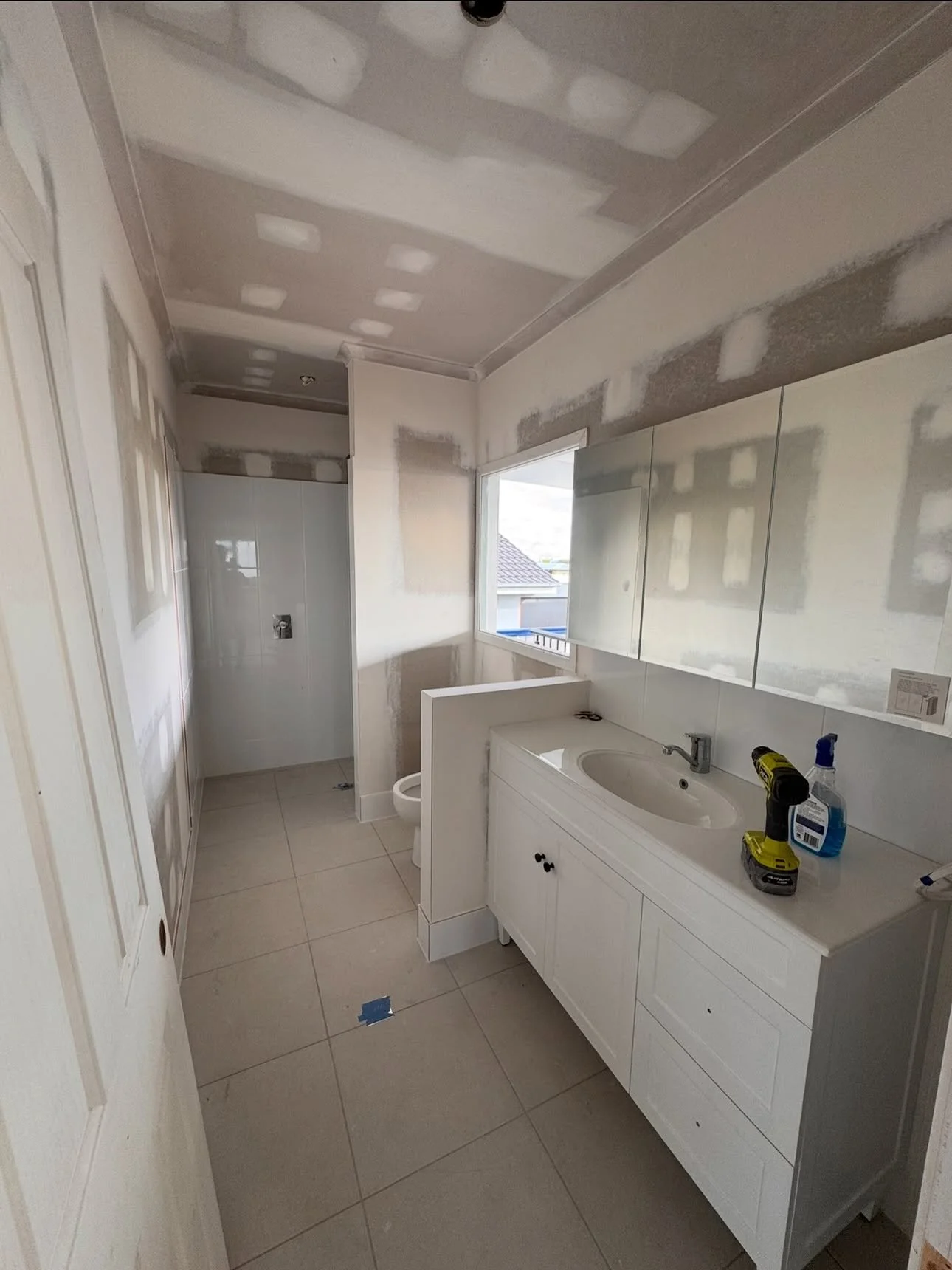
For painting projects, the scope of the task usually sets the tone. A single room keeps disruption small; just shut the door, maybe open a window, and life goes on elsewhere in the house. The biggest hassle is often being without that room for a day or two, but it's really no big deal.
However, repainting the entire interior of a house presents a different challenge. At some point, each room will be involved, leaving no completely untouched space to escape to. Yet, many families choose to stay in their homes during such projects. Skilled painters often plan the work in a way that ensures there's always access to at least one bedroom and bathroom. This thoughtful approach allows families to maintain some comfort and normalcy while the transformation takes place.
Paint fumes, VOCs and ventilation
That fresh paint smell is mostly due to volatile organic compounds (VOCs) escaping as paint dries. Back in the day, older oil-based enamels emitted a lot of these compounds. But today, water-based acrylic paints let out much fewer VOCs. Even “zero VOC”, paint which barely gives off any fumes at all, might still have an odour.
With decent airflow, most odours vanish in a few hours, not days. Yet, maintaining that airflow needs open windows and a breeze, which doesn't always work out. The weather often gets in the way, especially during Brisbane's sizzling summers, where keeping the windows open can make things uncomfortable.
Children, pets and anyone with respiratory conditions
Most healthy adults handle the minimal VOC levels found in today's paints without much trouble. However, young children, pets, and individuals with asthma or other respiratory issues tend to be more sensitive. Their airways can react strongly, and a smell that might not bother an adult could cause a flare-up.
If you have someone in your home who fits this description, you don't necessarily need to move out. Instead, make sure they avoid the areas being painted until any odours have dissipated. This is straightforward when painting just one room. But if you're tackling the entire house, you might consider a temporary stay elsewhere to ensure everyone's comfort and safety.
How much disruption you can live with
The decision ultimately depends on your personal comfort and preferences. Some individuals hardly notice the presence of painters in their home, while others might find the temporary chaos of rearranged furniture and workers coming and going quite stressful. This can be especially challenging for those who work from home or have a strict routine.
There's no universal solution. If you think the upheaval might become overwhelming, consider spending a few nights elsewhere for your own peace of mind. On the other hand, if you're more easygoing about the situation, staying home could be a cost-effective choice that allows you to monitor the progress firsthand.
Who should move out, and who can comfortably stay home
You can usually stay home if…
Most quality jobs tick these boxes, which is why staying home is the norm rather than the exception:
You're painting one room or a few rooms rather than the entire interior at once.
Your painter is using low or zero VOC paints, which most quality jobs now do.
Nobody in the house has a serious respiratory condition that flares up easily.
You can open windows and keep air moving while each room dries.
You're comfortable living around the work and shifting between rooms as the job moves through the house.
Consider moving out if…
The case for leaving usually comes down to health or the scale of the work:
The whole house is being painted in one continuous run with no finished rooms to live in.
Someone in the household is pregnant or has a newborn, or a resident lives with asthma or a similar condition that reacts to fumes.
The job includes heavy paint removal or sanding back old coatings left by previous owners, which creates dust as well as smell.
You simply can't relax with the house in upheaval and would rather come back to a finished home.
It's important to be realistic about the expenses involved, though. A few nights in a Brisbane hotel or a short-term rental can quickly add up, with prices starting at several hundred dollars per night. Additionally, repainting an entire house might take a week or longer. For many families, it makes financial sense to relocate only if there's a health-related reason or the option to stay with family at no cost. If the move is just for convenience, consider whether it's worth the expense compared to dealing with a bit of disruption for a few days.
What to expect when you stay home during interior painting
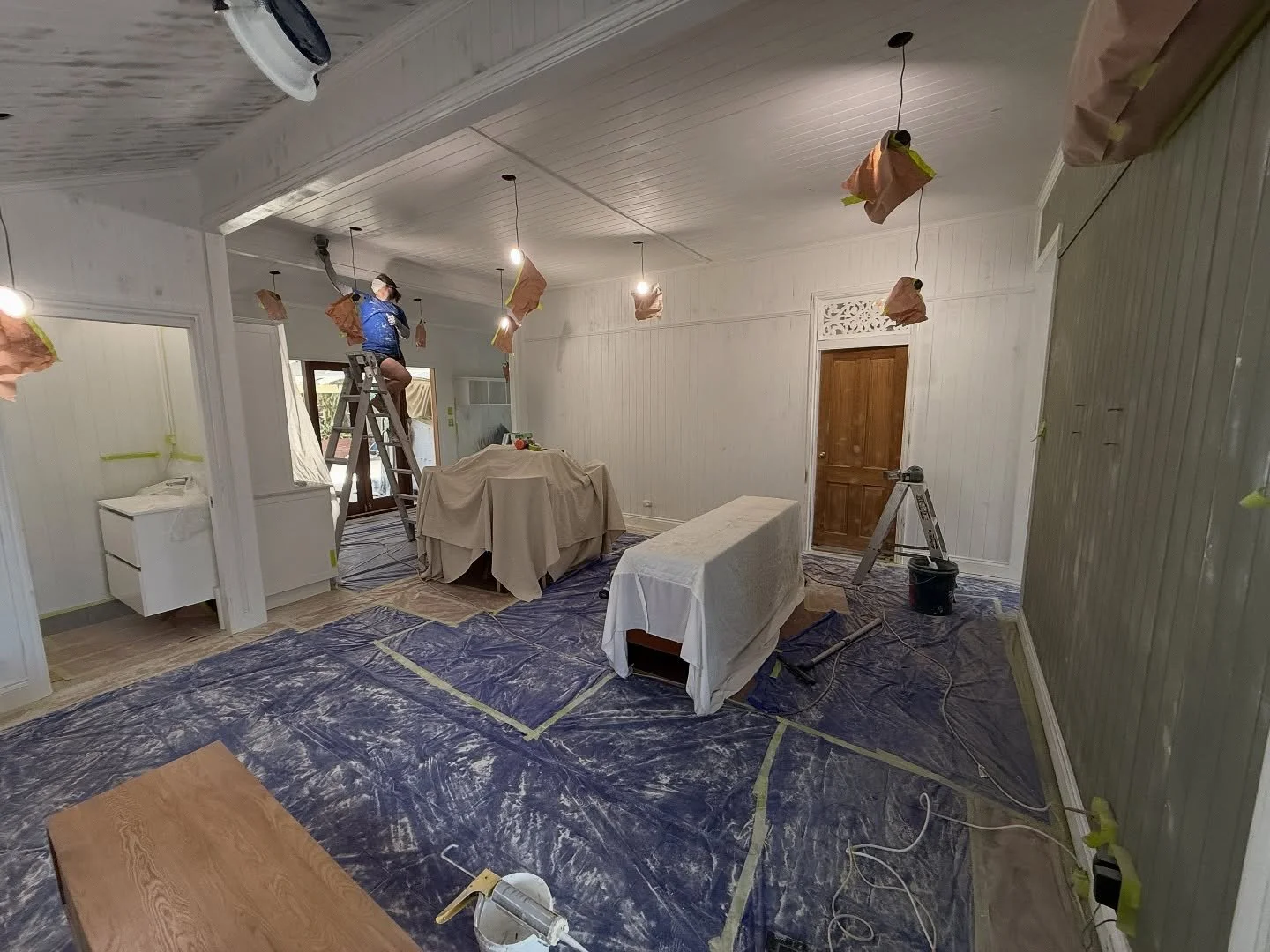
If you choose to stay during the painting process, here's what you can expect each day. On the first morning, the painters arrive and outline their plan before they start preparing the area. They move furniture to the centre of the room or take it out entirely, while covering floors and carpets with drop sheets. Items that can't be moved are carefully masked off.
Next comes the preparation work. The painters fill holes, sand rough spots, and seal any gaps. Sometimes, they need to remove old paint if it's peeling. This part tends to be the dustiest and noisiest. Each coat of paint needs time to dry, so even if the actual painting only takes a few hours, a room may be unavailable for a couple of days.
You'll notice wet paint and equipment around, with some rooms being off-limits until they dry. However, a dependable crew ensures they clean up each evening, so you won't feel like you're living on a construction site overnight.
How to make staying home during a paint job easier
To ease home renovation stress, start your week smoothly by taking a few easy steps. First, move personal items and fragile stuff from areas due for painting before the crew gets there. Even if the painters shift big furniture, this keeps your things safe and saves time.
Set up a temporary base in an area of your home that won't be affected for a day or two. Include essentials like a kettle and a comfortable place to sit. If you work from home, try to take calls from the quietest part of the house or plan to avoid the noisiest preparation days.
Keep children and pets in rooms that are either finished or not being worked on. Also, inform your painter about your daily schedule, such as the school run or any other activities, to help them plan their work around your routine.
How Brisbane's heat and humidity affect painting and ventilation
Living in Brisbane brings its own unique challenges, especially when it comes to home improvement tasks like painting. Ensuring proper ventilation while paint dries requires opening windows and doors to allow air to circulate. During a mild month, this isn't a problem. However, in the midst of a Brisbane summer, when temperatures soar into the thirties and humidity is high, this becomes a significant issue.
Opening the windows lets in the heat, and running the air conditioning is ineffective when everything is open. High humidity also slows the drying process, causing the paint to take longer to cure and the smell to linger. A sticky week in February makes painting far more tedious than a crisp day in July.
For many Brisbane families, this becomes the deciding factor. While keeping a single air-conditioned bedroom secluded is manageable, leaving an entire house open to the elements for several days during peak summer is daunting. Some families find it worthwhile to spend on a short stay in a cooler location. Summer storms add another complication, as leaving windows wide open is not an option when there's a downpour.
It isn't impossible to paint in summer, though. It happens a lot. Still, you need a good plan for keeping the place well-ventilated. Talking with your painter about timing can prevent scheduling paint jobs during the year's hottest week by accident.
Talk to your painter before the job starts
Before you even open a can of paint, it's important to ask a few key questions to gauge how much disruption the job might cause. A professional house painter will guide you through the process, giving you a realistic timeline and letting you know which areas of your home will be off-limits at specific times.
Effective communication can make the difference between a smooth project and a stressful one. It's wise to inquire about the types of paint being used and whether the work can be scheduled in a way that keeps at least part of your home livable. At DC Decorators, we address these concerns right from the quoting stage, ensuring there are no unexpected surprises once the project begins.
The best approach will depend on your specific home and how the project is organised. An experienced team will offer clear recommendations. DC Decorators, licensed by the QBCC (license number 15331027), stands behind our work with a five-year warranty. We can also provide a custom quote within 24 hours upon request.
Frequently asked questions
-
With today’s VOC-free or low VOC paint and adequate ventilation, many people should be able to sleep in their newly painted bedroom on the very same day. It would be wiser to leave the bedroom for some time if the person who will use it is pregnant or sensitive to smells. If a strong odour remains at bedtime, then you should opt to sleep somewhere else.
-
For water-based acrylic paints, the odour will subside within hours and should be completely gone in a couple of days with proper ventilation. With oil-based enamels, however, this may take days, but it can be sped up significantly by leaving your windows open.
-
It takes one to two days to paint an individual room, including preparations. For painting a whole interior, it may take anything from three days to a few weeks, depending on the size of the building and the level of preparation needed for every surface. Painting an old building whose walls have been patched up or require the removal of old paint would take more time.
-
In most cases, the painter will take responsibility for moving the bigger furniture for you by arranging it in the middle of the room. Before the painting begins, ensure that small items are cleared from the room and anything delicate is stored away safely. Check what's included when you get your quote so everyone's clear on who moves what.
-
Not quite. Even though zero-VOC paints are odourless compared to conventional paint, they still tend to have a slight smell when they are wet, which gradually disappears as the paint dries. "Zero VOC" does not mean zero smell; it is only a measurement of the volatile organic compounds found in a can of paint.
-
It is the safest route to take, and for many parents, the one that brings more reassurance than others. There is no medical rule saying that you have to do this, particularly when you are using paints with lower VOC content. However, pregnancy and infants are the types of circumstances where being extra careful makes a lot of sense. If moving out isn't an option, then make sure that the new paint smell is completely gone. Talk to your GP if you're unsure.