
Do painters need a QBCC licence in QLD?
In Queensland, painting jobs costing more than $3,300 for both labour and materials require a QBCC license. This makes sure that professionals are qualified and accountable. The Queensland Building and Construction Commission gives these licenses and keeps track of who's certified. They maintain public records of all the legit contractors, too.
Homeowners or property managers should look for a QBCC license to ensure the work is both insured and well done. If you're considering hiring a painter for a project and need clarity or assurance from a licensed professional, DC Decorators is available to provide guidance and discuss your needs before you commit.
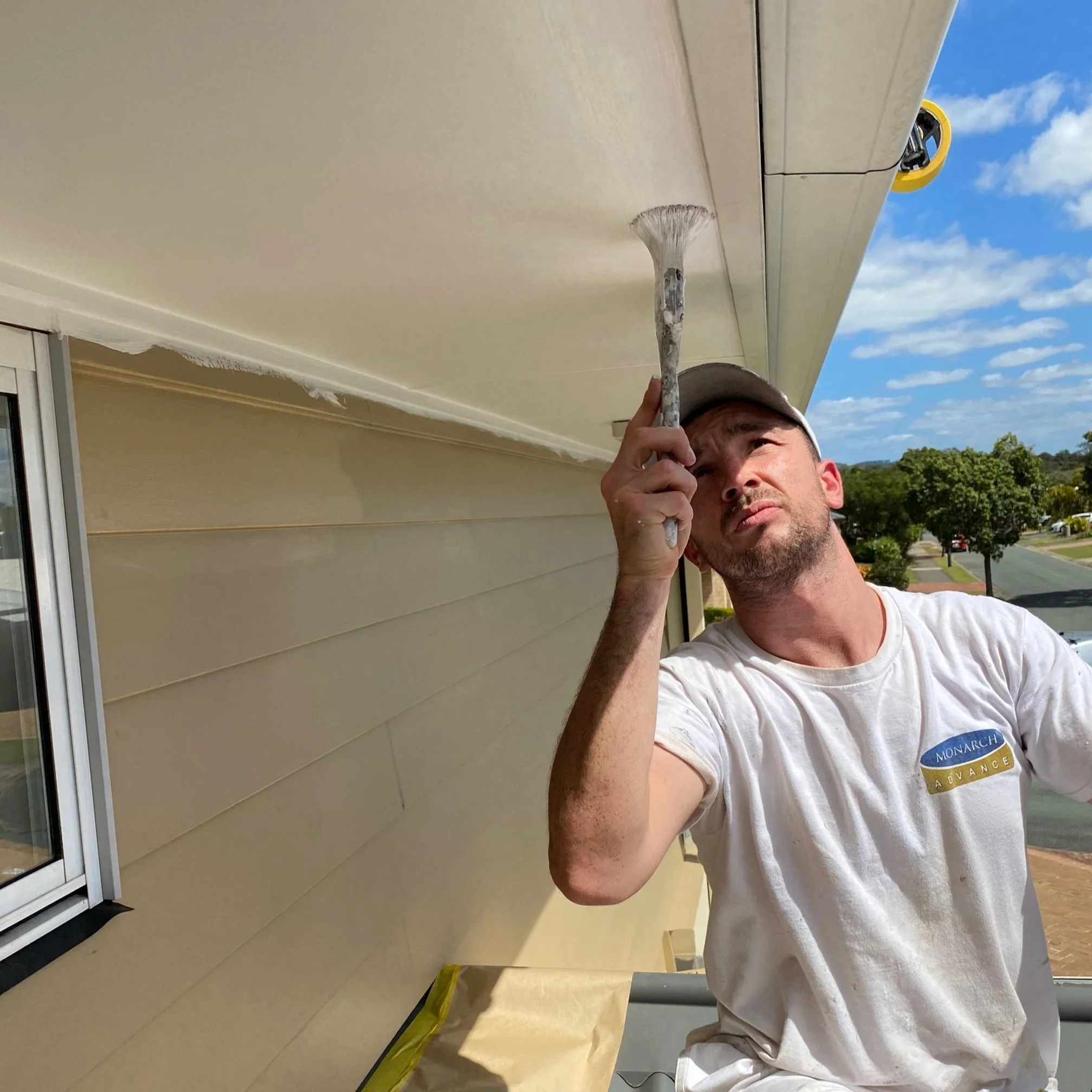
When does a painter need a QBCC licence in Queensland?
The need for a QBCC license kicks in once the dollar amount of a painting job exceeds $3,300, regardless of the property's nature or the painter’s description of the work. This requirement encompasses most large-scale exterior and comprehensive interior painting projects. It also applies to nearly all significant commercial or body corporate contracts. While a simple two-coat touch-up of a small bedroom might not require a license, painting an entire Queenslander typically will.
The $3,300 threshold
When hiring a painter, make sure they have a QBCC licence if their job costs more than $3,300 total, which includes materials and GST. This amount is for the whole project, not just labour. Splitting a bigger job into smaller parts to avoid this rule won’t work; the QBCC looks at the total project cost to check if the licence is needed.
The second important number is $11,000, relevant if you're considering overseeing building work services on your home. If the cost of the project exceeds this amount, you must obtain an owner-builder permit. However, if you're simply painting your own home as a small weekend project, no permit is necessary. The $11,000 threshold applies only when you embark on a larger home improvement project that you manage yourself.
Another key reason the $3,300 threshold matters is because of the Queensland Home Warranty Scheme. This scheme steps in if a contractor messes up, but it only covers work valued at more than $3,300. So, if you hire an unlicensed painter for a $5,000 gig, this insurance doesn't cover you. This means you've got few options when it comes to seeking help from the QBCC should problems arise.
When a painter does not need a QBCC licence
Lots of painting jobs don't need a licence. If you're only doing small stuff like touch-ups or simple repairs that cost less than $3,300, no licence is necessary. So a handyman can legally fix up a fence or repaint a door without one. Homeowners can paint their own houses as long as they follow owner-builder rules.
Unlike gas fitters and those doing fire protection work or electrical or plumbing work (who need licenses no matter the project cost), painting is different. It’s in a trade contractor class, where licensing depends on the job's size. So, for homeowners, if your paint job goes over $3,300, make sure the person you hire is licensed with the QBCC.
Which QBCC licence class do painters need?
A painter with a trade contractor licence focuses on painting and decorating, separate from what builders do. They handle lots of tasks, from surface prep and coating applications to perfecting colour matches. They also work in many settings, including homes, offices, warehouses, and industrial sites.
There are two license variations for this class. The standard Painting and Decorating licence encompasses trowel-on texture and render work. The alternative version, Painting and Decorating (excluding rendering), includes everything except texture coating. Painters who never engage in render work typically opt for the latter.
Within a business, licenses can function at different levels. A contractor's licence allows an individual or company to enter into contracts and oversee projects. Meanwhile, a nominee or site supervisor licence is designed for those supervising work on behalf of a company.
How do painters get a QBCC licence in Queensland?
Hiring a licensed painter gives you peace of mind because getting that license demands both skill and dedication. Aspiring painters need to earn a Certificate III in Painting and Decorating to show they've got the skills. On top of that, they have to finish a business management course covering important legal and financial aspects of the trade. Even experienced painters without formal technical qualifications can get recognised through a process called recognition of prior learning, which means they can meet the requirements that way.
The Queensland Building and Construction Commission looks at more than just technical skills. They make sure contractors are not only competent but trustworthy, too, by checking their financial records. This way, the commission verifies the licenced contractor can keep their promises. Applicants need to submit references, supporting documents, and proof they're allowed to work in Queensland. Only when everything is in order does the QBCC give them a licence and a number.
What happens if a painter works without a QBCC licence?
Painters can get into serious trouble if they work without a licence. Carrying out building work without the right authorisation breaks the QBCC Act and could land you with a $3,338 fine via an infringement notice. If the case goes to court, individuals might shell out more than $41,000, while companies face up to $20,000. Also, it's illegal to give quotes or sign contracts for this kind of work without a licence.
As a customer, you end up paying by losing protection. The Home Warranty Scheme covers only licensed work over $3,300, and smaller or unlicensed jobs aren't included. So, if an unlicensed painter bails mid-project or the paint fails within a year because of poor prep work, the QBCC can't really help you get your money back. You'd have to try and sort that out yourself. To prevent this hassle, make sure the painter is licensed before starting any work.
How to check if your painter holds a valid QBCC licence
It only takes about two minutes and costs nothing to verify a painter's credentials. Visit the QBCC website and use the online license search to look up a painter either by name or licence number. The search results will reveal details about the license status and class, as well as any past offences or demerit points associated with the contractor.
Make sure the licence is active and valid for the work needed. Also, double-check that the business name on the license matches the one giving you the quote. For instance, DC Decorators is licensed under QBCC Licence 15331027. A legit painter won't hesitate to give their licence number. If they're reluctant to show it, that could indicate trouble.
Frequently asked questions
-
The amount depends on the kind of licence needed and how much you think you will earn in a year. Each year in July, the QBCC revises their licence fee, so they can differ. For a number of painters, the high cost is not the application fee, but the cost of becoming eligible to get the licence. This entails the cost of acquiring a Certificate III, as well as business training, which might go to a couple of thousand dollars.
-
If any person has been hired for building and construction work purposes that will exceed the value of $3,300, they need a valid license, even if they happen to be a subcontractor who will be working under the general contractor. In no way is being a subcontractor an exemption to such an arrangement, as the person who enters into the contract needs to be duly licensed. The only exclusion to this is that of painters paid by wages.
-
No. Painters who have been hired for wage employment under a licence issued to a contractor do not require their own licence. It is the person or business that hires painters for work that requires the licence, and not each painter.
-
Yes. The limit of $3,300 is the same for both commercial and body corporate painting as it is for domestic property painting, and most commercial painting easily exceeds that figure. Additionally, the licensed professional will be able to afford the necessary insurance and meet the demands of the site.
-
If a full application has been made, the QBCC generally takes up to six to eight weeks to evaluate it; sometimes, even longer when the case gets complicated. This period comes in addition to the period spent qualifying. Financial information that is inadequate causes delays in evaluating applications.
-
The standard Painting and Decorating licence includes trowel-on texture and render coating. There is another specific license for painting contractors who don't do anything but paint; this particular license is known as the "Painting and Decorating License (excluding rendering)". Painters who do not perform rendering can achieve professional competence on most projects with this license.